Can NASA pursue breakthrough science during a political upheaval?
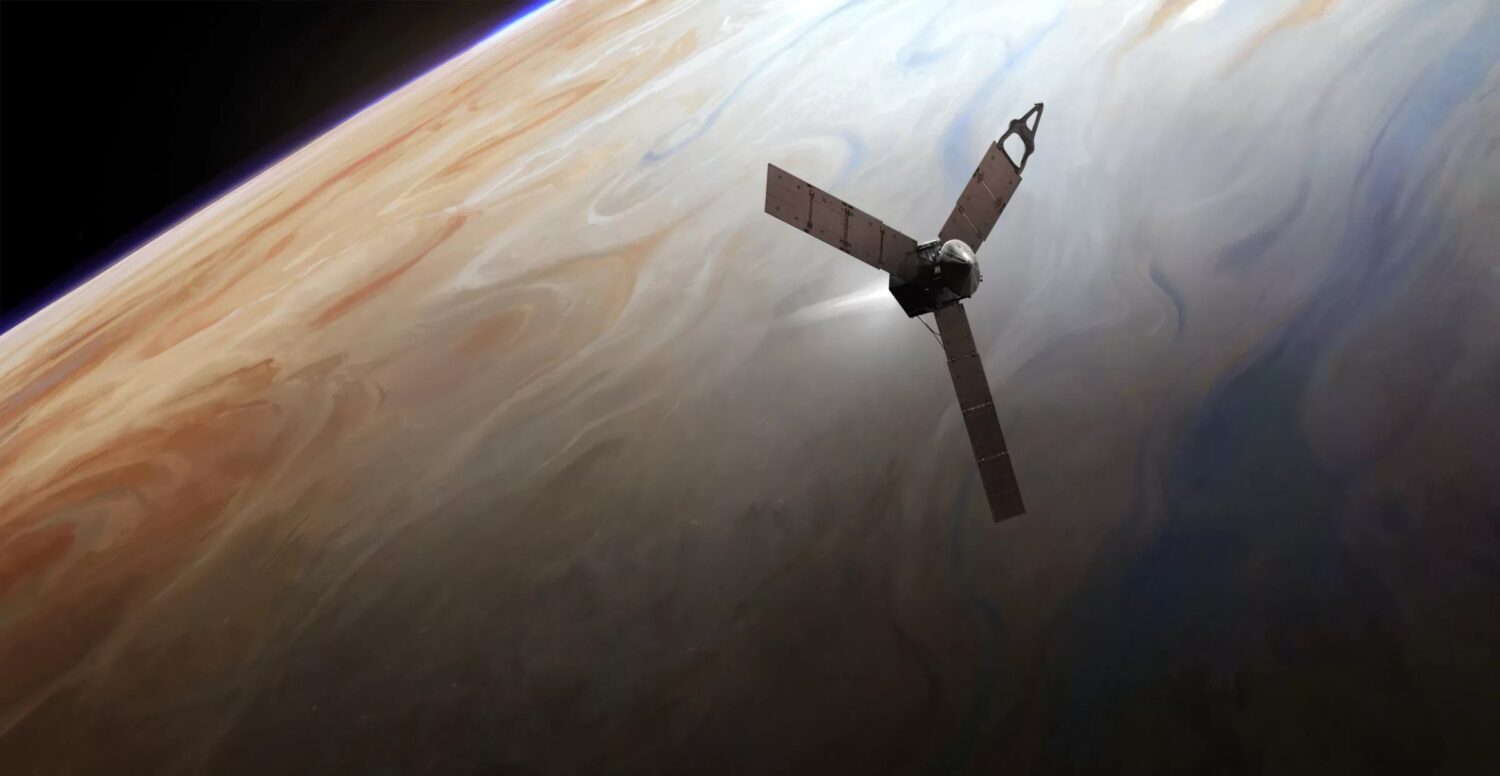
An artist’s conception shows NASA’s Juno orbiter at Jupiter. Juno is one of the missions marked for cancellation in the Trump administration’s 2026 budget proposal. (Digital painting created by Mathias Verhasselt, CC 3.0 Attribution Unported)
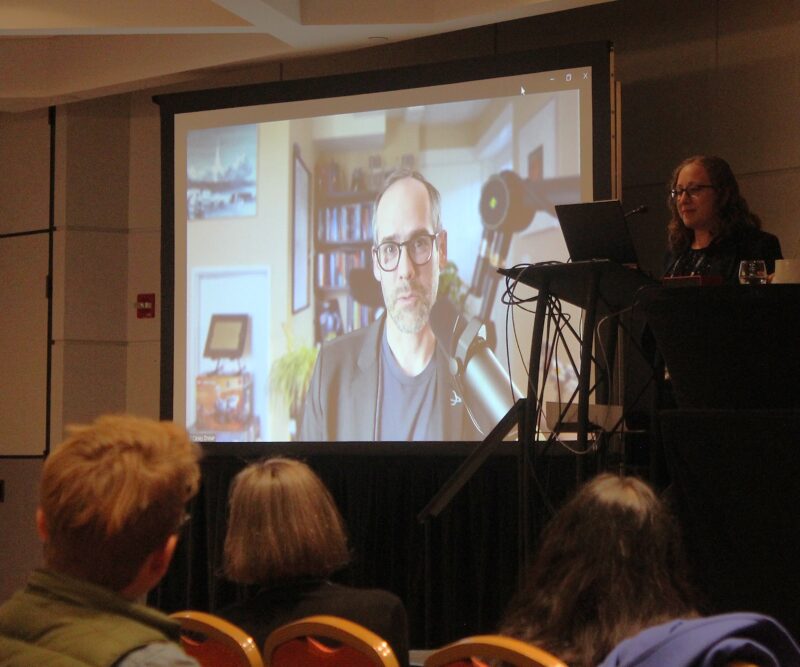
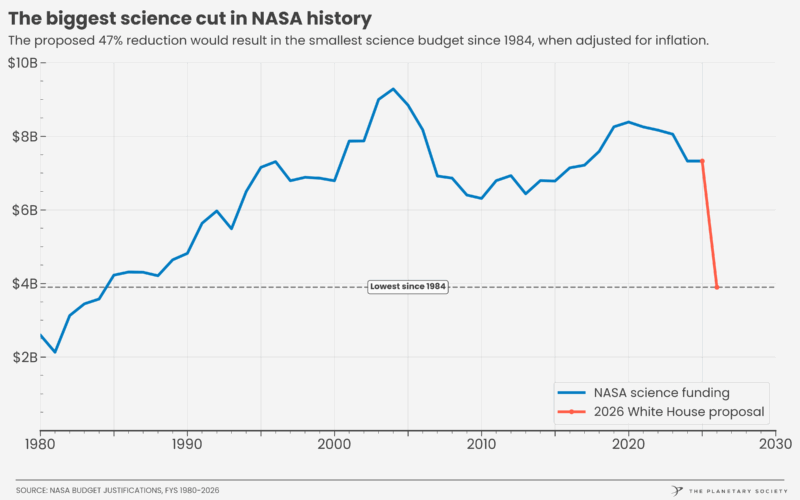
NASA’s missions have taken humans to the moon, put rovers on Mars, and revealed the wonders of distant stars and galaxies. But the Trump administration has proposed reducing the space agency’s budget in 2026 by almost 25% — with funding for science missions cut nearly in half. That could dramatically change NASA’s way of doing business, Casey Dreier, chief of space policy at the Planetary Society, said at New Horizons in Science briefing held by the Council for the Advancement of Science Writing on Nov. 9.
“The attitude from this administration is to ask no one to go along with them, and then to try to make changes faster than anyone can resist them, and hope that what is built out of it is better and more sustainable,” Dreier said, speaking remotely to an audience gathered at the ScienceWriters2025 conference in Chicago.
Fretting over the funding model
Reining in science at NASA would not just impact what we can learn about the universe but also how we predict weather, deal with catastrophic natural disasters, cope with diseases, and make decisions about what to do next, Dreier said.
The budget cuts haven’t yet been approved by Congress, but NASA is already eliminating positions, ramping back on long-term contracts, and turning off the pipeline of future projects. Eventually, the cutbacks would require the termination of dozens of space missions. [Editor’s note: Dreier gave his talk during the government shutdown, which ended on Nov. 12. On Nov. 19, the Planetary Society published an updated outlook on NASA funding.]
Such missions take billions of dollars and decades of planning to come to fruition. Every four years, a new administration prioritizes its own political agenda over the long-term funding needs of NASA’s missions, Dreier said. “This administration, in particular, takes a muscular view of executive authority, and they may just start to impose their own programming cuts while the Congress has not yet acted,” Dreier said during a post-presentation interview.
Some have proposed changing NASA’s structure to protect the agency from political influence — for example, by appointing the agency’s administrator to a 10-year term. But Dreier said he’s become less inclined to dispense with regular political oversight of the funding process.
“It can be a really good thing to have to continually justify this type of stuff to the people who pay for it,” he said. “Within that, I think that you can try to actually perform better and allow things to move faster.”
SpaceX and other commercial ventures have accelerated the pace of America’s space effort, in part because they have more freedom and operational flexibility than the federal government. But Dreier said there’s a downside, in that these companies do not have the responsibility to represent the nation. “That starts to eat away at what has been established as space being this nonpartisan, nonpolitical shared experience,” he said.
How science writers can cope
NASA’s changing funding landscape has brought new challenges to writers covering space science. During the presentation’s Q&A session, a former writer at NASA told the audience that their stories on publicly funded space programs have disappeared from the agency’s website. The writer asked what could be done to preserve sharing of such information. Dreier suggested making liberal use of the Internet Archive to scrape data before it’s gone and sharing information with research institutes, universities, and nonprofit organizations.
Another journalist sought advice on finding story leads and identifying sources for reporting on space policy issues. Dreier said that he and his colleagues at the nonprofit Planetary Society analyze budget documents and data sets, conduct automated scans of Bluesky and LinkedIn postings, and rely on a time-honored technique for gathering information.
“The best resources we’ve had are … just knowing people in those institutions themselves who are willing to build those close relationships,” he said.