Pandemic prevention starts now: Three tools to fight the next health threat
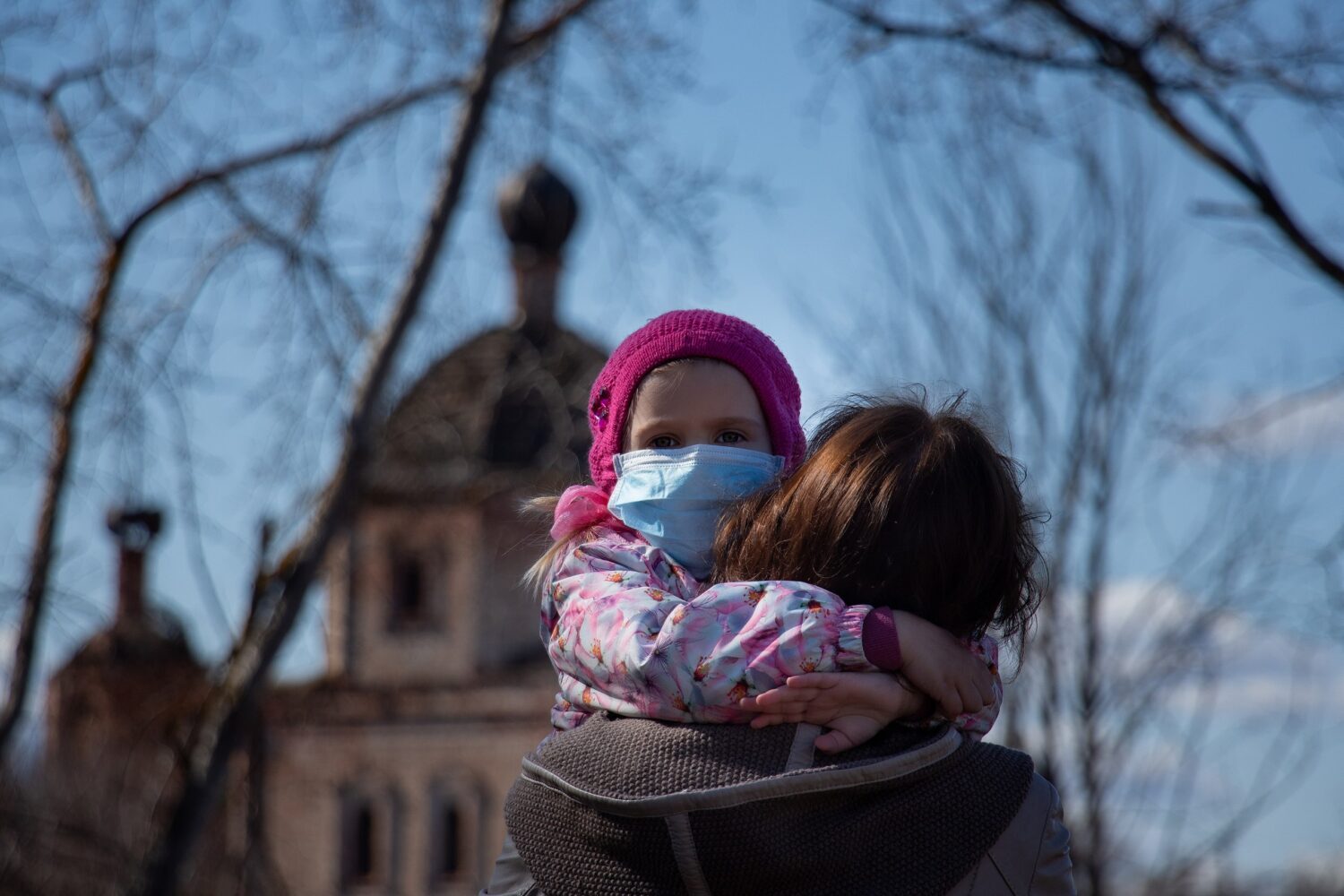
A child wears a mask during the coronavirus pandemic in April 2020. (Image: https://www.vperemen.com, Wikimedia Commons, CC BY-SA 4.0)
This year, almost two thousand measles cases dotted America. Cholera, dengue and other infectious diseases continued to spread across the world. As these old menaces threaten to start new health crises, the potential for another pandemic looms on humanity’s doorstep. Is there a way to prevent it from happening?
“I have seen what people can do when they put their minds to it,” Jennifer Nuzzo, director of the Pandemic Center at Brown University and an expert in global health security, told science writers gathered in Chicago on Nov. 9.
During the Council for the Advancement of Science Writing’s New Horizons in Science briefing at the ScienceWriters2025 conference, Nuzzo said that disease outbreaks happen regularly and will inevitably happen again. In a world full of health threats, the key to stopping the next pandemic lies in a three-part approach: data, drills and defense.
When the coronavirus pandemic hit, Nuzzo said, “one reason why we shut down was because we didn’t know where COVID was.” Insufficient data to detect, monitor and track the spread of COVID led to immense pain and frustration, as people were barred from seeing loved ones and businesses were forced to close their doors.
Nuzzo said that if well-coordinated systems to collect and relay information on disease prevalence and spread had been in place when the crisis first hit, we would have received better guidance and avoided lengthy mass shutdowns.
Nuzzo said the work to identify best practices and design effective emergency management and response systems starts now. Health emergencies, she said, should be treated like other types of emergencies, such as fires or natural disasters, where the end of one crisis does not stop the preparation for future events.
“We need to build a culture of safety” around public health, Nuzzo said, including developing and practicing drills in advance of a health emergency so that when an outbreak begins, people already know what to do — just as children know to stop, drop and roll if their clothes catch fire.
Every flu season, Nuzzo said, is an opportunity to test the nation’s response systems, check them for vulnerabilities and strengthen our defenses. To find blind spots, experts should seek input from a wide range of sources and collaborate with businesses, governments and communities. “When I reflect on the lessons of COVID, these are things we knew 20 years ago that we forgot,” she said.
In an interview, Betsy Ladyzhets, co-founder and managing editor of The Sick Times, said that integrating past lessons into pandemic responses could have readied the world not only for the COVID-19 crisis, but also for the consequences of the chronic illnesses that followed.
Ladyzhets said researchers have known for decades that infectious diseases can trigger chronic illnesses, and advocates were ringing alarm bells that COVID-19 could do the same. Despite these warnings, she said, information on long-term symptoms were not adequately gathered, posing significant challenges to researchers trying to understand the full impacts of long COVID. “The lack of surveillance is a huge issue and something I’d like to see us more prepared for in future outbreaks,” Ladyzhets said.
Nuzzo said the COVID pandemic taught us numerous lessons that could be helpful the next time the world is faced with a global health crisis — if we remember them. From data and drills to defense, the tools are available today to prevent the pandemics of tomorrow, she said: “A better future is possible.”