Microscopic plastics: A growing health concern for human health?
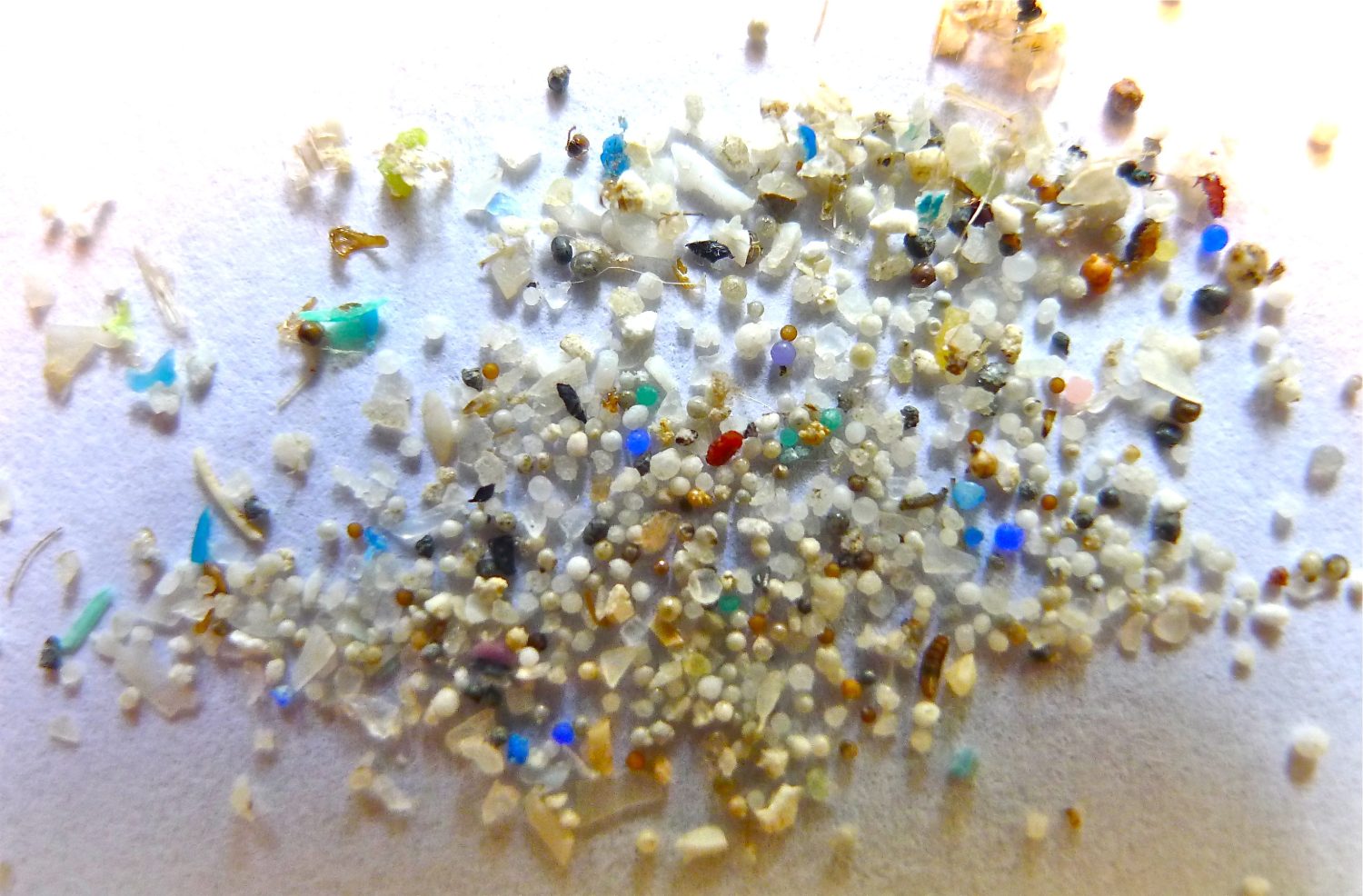
Micro- and nanoplastics are polluting the environment and could have negative consequences for human health. (Image by 5Gyres, courtesy of Oregon State University (CC BY-SA 2.0))
Plastic has become so synonymous with modern life it’s hard to imagine a world without it. Plastics are in the clothing you wear and the vehicles you drive – and in human blood.
Plastic is not going anywhere soon; for example, a plastic bottle takes hundreds of years to fully break down. As plastics degrade, they don’t just “poof” and go away, said Stacey Harper, a professor at Oregon State University and leader of the Pacific Northwest Consortium on Plastics.

Harper spoke on the health effects of micro- and nanoplastics during the Council for the Advancement of Science Writing’s New Horizons in Science briefing at the ScienceWriters2026 conference in Corvallis, Ore., Sept. 26.
Microplastics are plastic particles less than five millimeters in size, about the diameter of a pencil eraser. These already minuscule plastic particles can degrade into nanoplastics smaller than a single micrometer – about a hundred times thinner than a strand of human hair.
Globally, only about 9% of plastics are recycled, said Harper. The rest end up in the environment, where plastics break down into small particles that can be ingested or inhaled by animals and humans.
These small particles are virtually everywhere. They have been found in every ecosystem on the planet and in countless consumer products, including food and drinks. “There is no way that you can get through your day without interacting with plastics in some way,” Harper said.
After entering the body, plastic particles can accumulate in tissues and lead to adverse health effects. Nanoplastics are thought to pose some of the greatest risks, Harper said, as they are small enough to cross the blood-brain barrier and could travel to your brain after being ingested.
“That’s why actually some plastic polymers have been used as drug delivery systems—because they’re really good at getting across the blood-brain barrier,” Harper said.
Research suggests micro- and nanoplastics are common in human tissues. A 2025 study published in Nature Medicine found evidence of microplastics in brain, liver, and kidney tissues.
But as plastics decrease in scale, so does our understanding about them. “They’re extremely difficult, if not impossible, to extract from the environment,” Harper said, making nanoplastics especially challenging to study. Scientists also caution that disposable lab equipment can shed microplastics in the lab, and that fat in organs like the brain could lead to false positive results.
And while micro- and nanoplastics aren’t necessarily acutely toxic, Harper said, there is evidence that long-term exposure can have negative health effects. Tire particles are among the most dangerous, she said, as they are composed of a cocktail of toxic chemicals. The shape of a plastic particle can also affect how harmful it is, with fibers and sharp fragments posing some of the greatest risks.
Researchers are investigating the effects of plastic-associated chemicals on reproduction and fertility. Prenatal exposure to plastic-associated chemicals called phthalates has been linked to male genital birth defects. Commercial tampons are also known to shed microplastics, and scientists are investigating how the particles could affect female health.
Emerging evidence also suggests that plastic particles in the brain may be linked to neurological disorders like Alzheimer’s disease. Nanoplastics have also been suggested to alter proteins in the brain, causing them to clump together and disrupting normal brain function.
Much remains to be known about the effects plastic particles can have on human health. But Harper, like many other researchers, aims to inform decision makers with the best possible science to help protect public health.