CASW
About
Overview
Mission
People
Support
History
Annual Report
Contact
News
CASW News
News archive
Newsletter
Events
Overview
New Horizons in Science
The Patrusky Lectures
Connector Chats
Calendar
Awards & Fellowships
Overview
Graduate Study
Sharon Begley Award
Young Journalist Award
Cohn Prize
Travel
Rules and Eligibility
News
Science Journalism
Overview
Science journalism initiative
Showcase
Training & Workshops
Climate News Task Force
CASW Connector
Search
Search
Donate
Share
New Horizons Newsroom 2026
Science students and travel fellows cover microplastics, AI, the “Big One,” ITEK and more at ScienceWriters2026
At ScienceWriters2026, 10 science graduate students and nine New Horizons travel fellows covered the 64th annual New Horizons in Science briefings and the 14th Patrusky Lecture. Th...
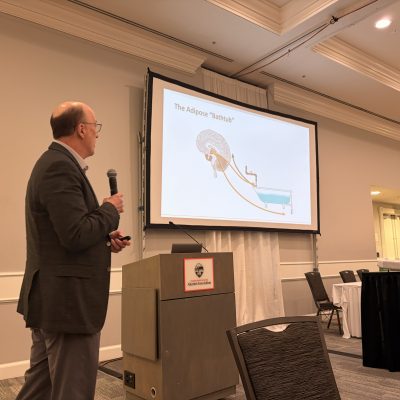
GLP-1 drugs: Randy Seeley sets the TikTok record straight
Whether for Alzheimer’s, COVID-19, or heart disease, the possible uses for GLP-1 drugs have mushroomed since their initial FDA approval as a type 2 diabetes treatment in 2010. An...
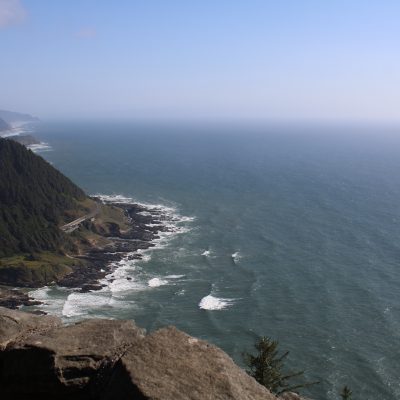
The race to understand earthquake hazards in the Pacific Northwest
Digging into the mud of the Pacific Northwest in the late 1980s, a group of geologists found evidence of a major earthquake that occurred 326 years ago and was previously unknown t...
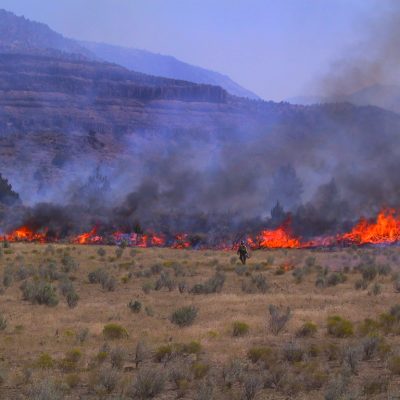
The other side of wildfire: ‘Good fire’ in the Pacific Northwest
Glenn Jones regards fire as an integral part of his life. “I look at fire more as a relative, [rather] than an adversary,” Jones, a member of the Hoopa Valley Tribe and a maste...
Indigenous people’s traditional ecological knowledge holds answers for Western scientists — if they listen
How do we know Earth’s environment is changing? The instruments of Western science have been measuring change for the past couple of hundred years. But Indigenous people have acc...
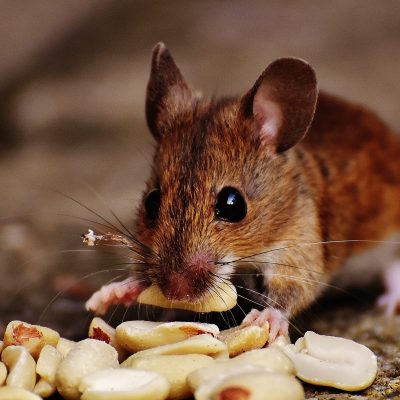
It’s not you, it’s your set point: Societal considerations of GLP-1 drugs
In a research lab somewhere, a lab mouse overeats and sleeps. Meanwhile, at an apartment nearby, a person decides to stay in and order pizza. While we might agree that mice will b...
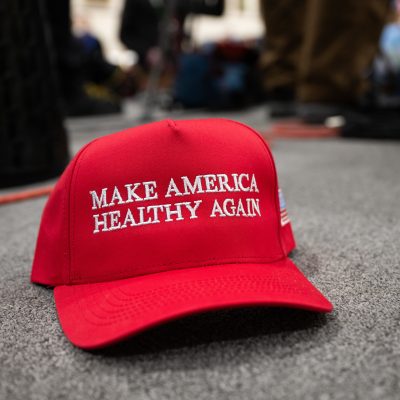
How journalists can help the public separate fact from fiction in the MAHA movement
One of the most visible figures in the second Trump administration is Robert F. Kennedy Jr., a vaccine skeptic appointed as Secretary of Health and Human Services. Kennedy has made...
AI is moving faster than the rules meant to govern it, panelists say
AI applications are being launched faster than other technological innovations, making them harder to regulate, speakers told a packed session at the ScienceWriters2026 conference ...
The government promoted a new treatment for autism based on scant evidence. Journalists should cover the fallout.
When President Donald Trump and two of his top health officials — Health and Human Services Secretary Robert F. Kennedy Jr. and Food and Drug Administration Commissioner Marty Ma...
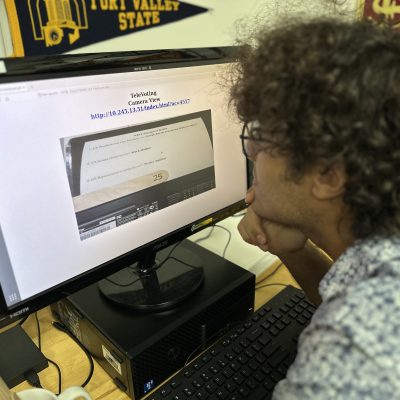
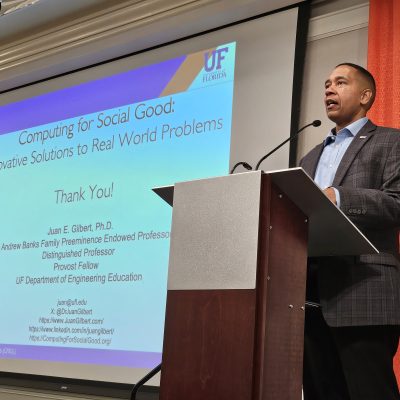
Is un-hackable, verifiable voting possible?
What if there was a tamper-proof, reliable, and accessible voting system available to all U.S. citizens? Juan Gilbert, a computer science professor at the University of Florida (UF...
Rethinking land management with ‘good fire’
Wildfire usually brings to mind the bad things that come with it: economic losses, poor air quality, risks to human health and safety, lost homes and disrupted communities. For man...
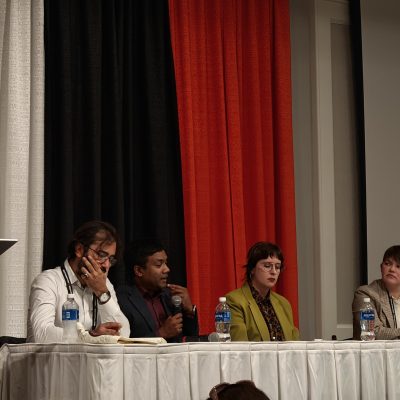
MAHA in the media: Are science journalists meeting the challenge?
When asked to define Make America Healthy Again (MAHA), three health experts addressing science writers at a recent conference chose vastly different words. Nutritionist Kevin Klat...
The answer to our questions about AI might be to keep asking questions
Artificial intelligence is everywhere today: writing emails, transcribing notes for medical records, and making self-driving cars a reality. “I can’t go to a dinner party where...
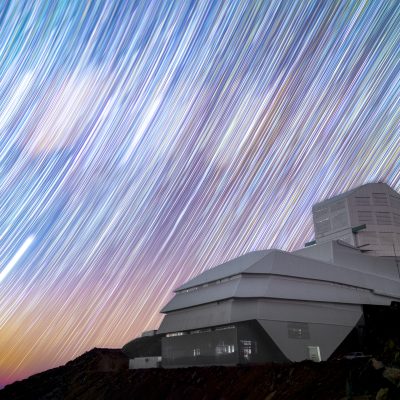
Rubin’s huge eye could help defend Earth, but satellites are getting in the way
Early data from Vera C. Rubin Observatory, which began its 10-year survey of the southern sky in June, has already turned up a new dwarf galaxy orbiting the Milky Way and thousands...
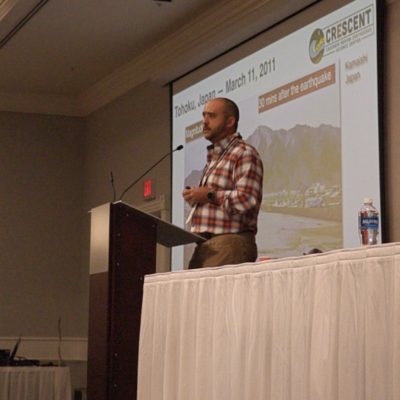
Will Oregon cities be prepared for the Big One?
Pay attention to the Big One. That was the message that Diego Melgar delivered to science writers attending a conference in Corvallis, Ore., Sept. 27. The audience gasped as they h...
Tiny particles make big ripples
After a long, dry summer in Oregon, the first fall rains come as a relief to most. But to salmon, they can be a death sentence. In the early 2000s, scientists began noticing large ...
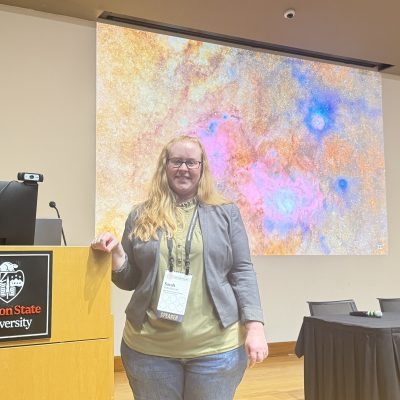
The sky belongs to everyone now, thanks to the Vera C. Rubin Observatory
Humans have been admiring the night sky since the earliest days of prehistory, searching for things they could not yet name. Now an observatory on a Chilean mountaintop is opening ...
A journalist who focuses on Indigenous knowledge — and solutions
As Lyric Aquino walked up to the stage at Oregon State University Sept. 27, earrings crafted from elk teeth, dentalium, and crystals dangled from her ears. She wore white moccasins...
Q&A with Juan Gilbert: How artificial intelligence could be used for social good
Concerns about artificial intelligence are growing amid rapid development of the technology. But Juan Gilbert, distinguished professor at the University of Florida, believes AI and...
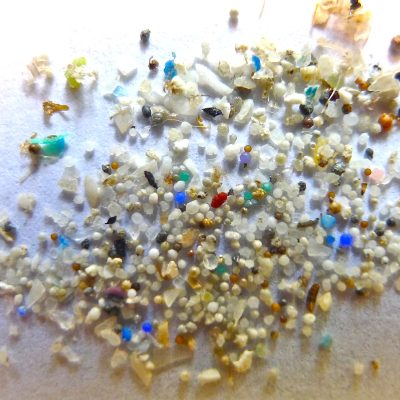
Microscopic plastics: A growing health concern for human health?
Plastic has become so synonymous with modern life it’s hard to imagine a world without it. Plastics are in the clothing you wear and the vehicles you drive — and in human blood...
Newsroom 2026
Newsroom 2025
Newsroom 2024
Newsroom 2023
Newsroom 2022
Newsroom 2021
Newsroom 2020
Newsroom 2019
Newsroom 2018
WCSJ2017 Student Newsroom
Newsroom 2016
Newsroom 2015
Newsroom 2014
Newsroom 2013
CASW
Spotlight
Keep in touch with our newsletter for friends and supporters of science writing.
Subscribe